
Ah, the dreaded office move. If you’ve experienced it, you know the chaos and stress that come with such a transition all too well. I can still picture my last office move—a whirlwind of packing boxes, tangled wires, and that jarring sense of sudden change that had everyone on edge. Coworkers zipped around, frantically trying to keep track of important documents while dodging the maze of disassembled furniture being loaded onto trucks. But where do you even begin?
We’re here to provide you with everything you need to know to make your move efficient and hassle-free. Let’s turn your relocation into a smooth transition and exciting new beginning that boosts productivity. In the following sections, we’ll cover everything from planning and safe handling to communication and settling in. Let’s start!
Planning the Move
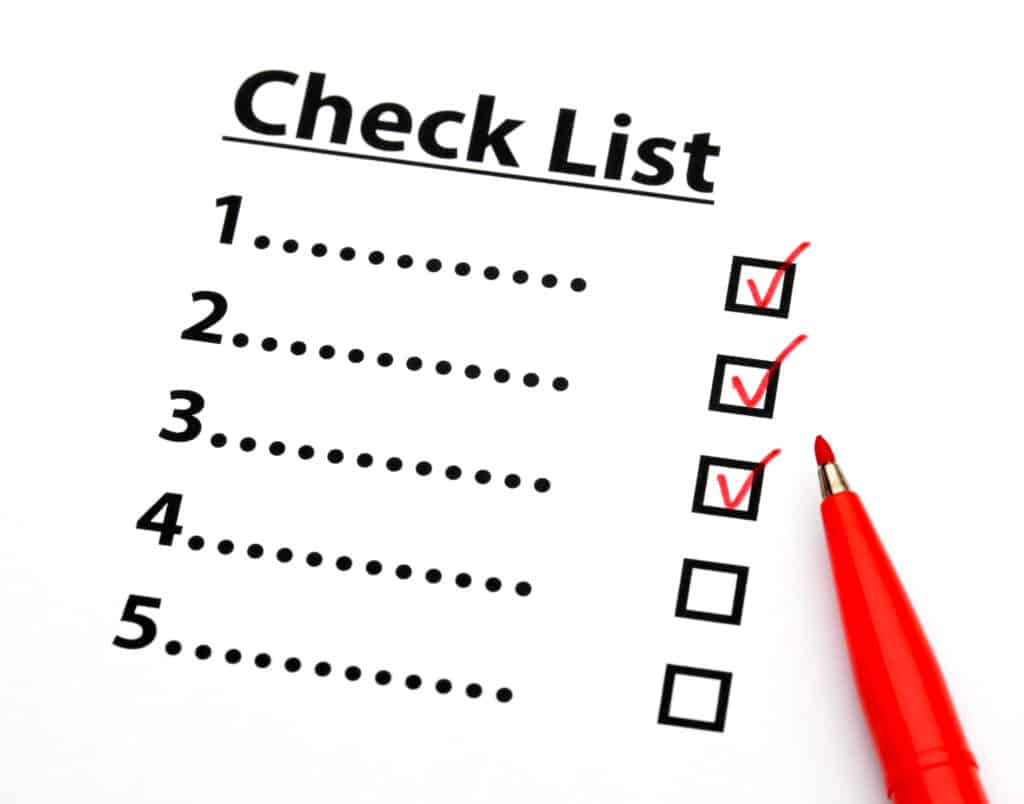
Before moving, it’s paramount to thoroughly understand your new office layout to ensure a smooth transition. Start by creating a detailed checklist that outlines all necessary tasks and items, including taking careful notes of room dimensions, existing fixtures, and any potential obstacles that may affect your setup. Additionally, it’s important to measure doorways and tight spots to avoid any surprises on moving days, as this can save you from the frustration of dealing with furniture that doesn’t fit.
You might want to consider visualising the layout using online design tools or simple sketches; this can help you plan furniture placement effectively and make unpacking much easier. As you visualise, identify challenges such as low ceilings, narrow corridors, or any unusual architectural features that could complicate the move. By addressing these challenges early on you are able to find solutions, whether it’s disassembling certain furniture pieces or opting for different layouts.
Lastly, plan efficiently with a comprehensive moving schedule that outlines key dates and tasks, ensuring that your transition is as seamless and organised as possible.
Creating a Moving Schedule
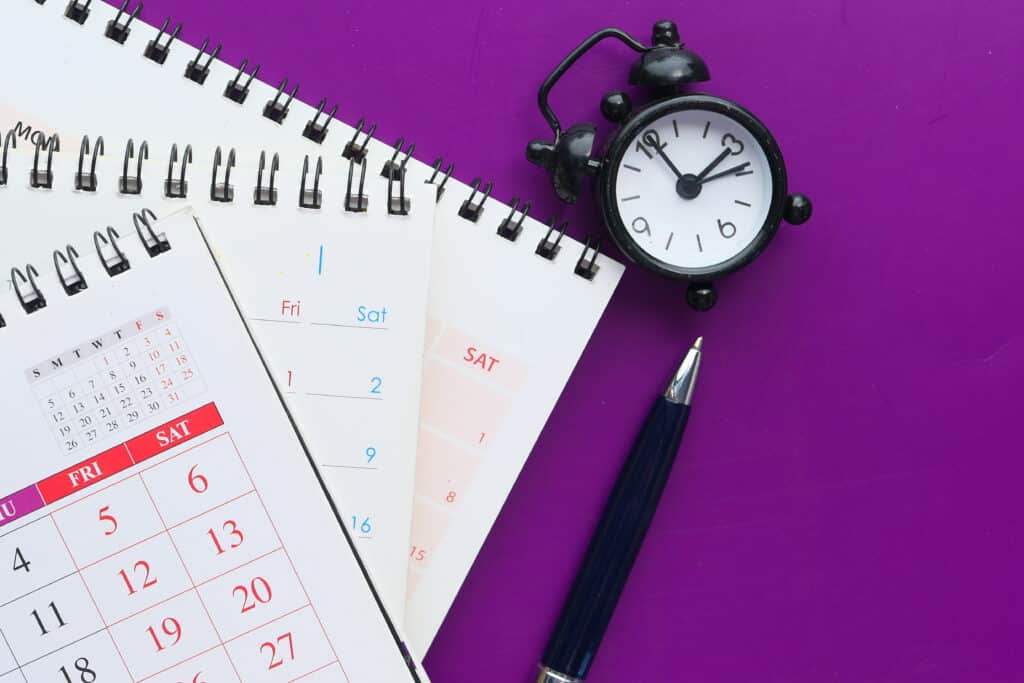
A well-planned schedule is crucial for a successful office move, as it ensures smooth coordination and minimises disruption to daily operations. Begin by assessing your current space and determining the timeline for your move. If possible, start planning a few months in advance to effectively manage unexpected delays and to organise the logistics efficiently. This early planning allows you to identify potential challenges and address them proactively.
In addition to that, scheduling the move during off-peak hours or weekends can significantly reduce interruptions, allowing employees to transition more comfortably and maintain productivity. Also make sure you communicate with your team throughout the process to keep everyone informed and engaged, and always update your checklist to track progress and essential tasks leading up to the move. This comprehensive approach will help ensure a seamless transition to your new office space.
Safe Handling
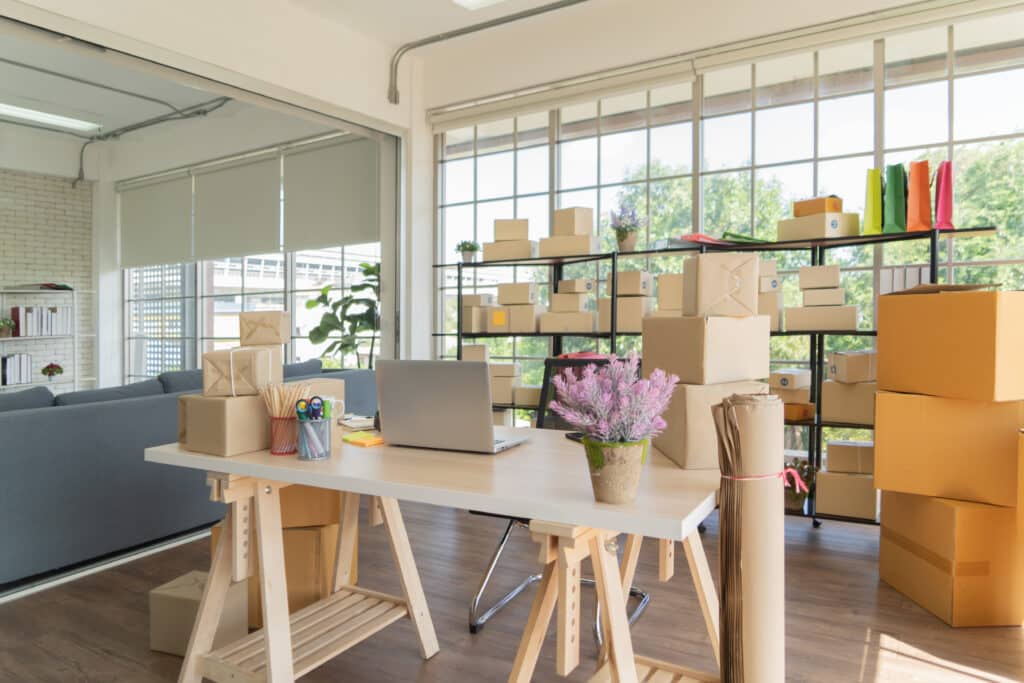
When preparing for a move, you should use quality packing materials to ensure your belongings are well-protected. Opt for sturdy boxes that can withstand weight and pressure, and don’t forget to include bubble wrap for fragile items to prevent breakage. Also ensure that you take the time to clearly label each box with its contents and destination room; this will save you time and effort when unpacking and help you keep track of everything during the moving process. Remember, a little extra effort in packing can go a long way in making your move smoother.
Choosing the right moving equipment is also important for a successful relocation. Consider using dollies and sliders, which can significantly ease the process of safely transporting heavy items while minimising the risk of injury and damage. The last thing you want is for you exciting office move to end up with a trip to the emergency room.
Hiring professional movers can greatly enhance efficiency and save you time, as they are trained to handle heavy and awkwardly shaped objects. However, it is essential to ensure that the movers you hire are fully insured to give you peace of mind and protection against any unforeseen incidents during the moving process. This way, you can focus on settling into your new space while leaving the heavy lifting to the experts.
Try including a detailed inventory list in your checklist, it will be essential for tracking items and preventing losses within your organisation. This list should enclose detailed information, including item names, quantities, descriptions, locations, and any pertinent serial numbers. Regularly updating and reviewing this inventory will help ensure that all items are accounted for, minimising the risk of theft or misplacement.

“Moving office furniture is no small feat. It’s a task that requires careful planning, reliable execution, and a keen eye for detail.”
Communication
Whenever possible, hold regular meetings with your moving team to discuss progress and address any concerns that may arise during the moving process. Schedule these meetings consistently, allowing team members to share updates on their tasks, communicate any challenges they encounter, and collaborate on solutions.
Provide clear instructions for item handling, including proper techniques for lifting and transporting delicate or heavy items. Also, establish specific contact points for team members to reach out to with questions or for assistance, fostering open communication and ensuring a smoother moving experience overall.
It is important to keep employees informed about the schedule and any changes that may arise to ensure everyone is on the same page. Having regular updates can help prevent confusion and promote a sense of teamwork, providing a designated contact person for any questions or concerns will give employees a clear avenue for communication and support, fostering an open and responsive work environment.

Settling In
Once you’ve moved everything into your new space, the next step is to carefully unpack and set up your new office. Start by organising your items, placing essential equipment like your computer and desk in convenient locations. Take your time to arrange your workspace in a way that enhances productivity, and don’t forget to personalise it with items that inspire you, such as photos or plants. This will help create a comfortable and motivating atmosphere as you settle into your new environment.
Utilise the checklist you created prior to your move to guide the placement of furniture and equipment as this will ensure that everything is positioned in its designated spot, minimising confusion and streamlining the process.
One of the most rewarding aspects of moving office furniture is the fresh start it offers, because a new layout can bring new energy, transforming the workspace into a more vibrant and inspiring environment. By rearranging furniture, you can create better flow, enhance collaboration among team members, and even improve productivity. This change not only revitalises the physical space but also fosters a positive mindset, encouraging creativity and a renewed sense of purpose among employees.
Final Thoughts
Relocating an office requires meticulous planning, strategic organisation, and effective communication to ensure a smooth transition. By addressing logistical challenges, implementing a comprehensive moving schedule, and fostering a collaborative team environment, you can significantly reduce disruptions to your business operations.
Remember, settling into your new space is more than just unpacking boxes; it’s about creating a productive and inspiring environment that aligns with your company’s goals and culture. Through attention to detail and adaptability, your new office can become a thriving hub for success and innovation.
Why is planning ahead important for moving office furniture?
Planning ahead allows you to create a detailed moving plan and timeline, ensuring a smooth transition.
How can labelling help during the office move?
Clearly labelling boxes and furniture pieces helps streamline the unpacking process, making it easier to locate items.
What equipment should be used for moving heavy office furniture?
Use proper equipment like dollies, straps, and moving blankets to safely transport heavy items.
Should I consider hiring professional movers for office relocation?
Hiring experienced movers can save time and prevent damage, making the moving process more efficient.
How can I prioritise safety while moving office furniture?
Ensure pathways are clear and lift with your legs, not your back, to avoid injuries during the move.