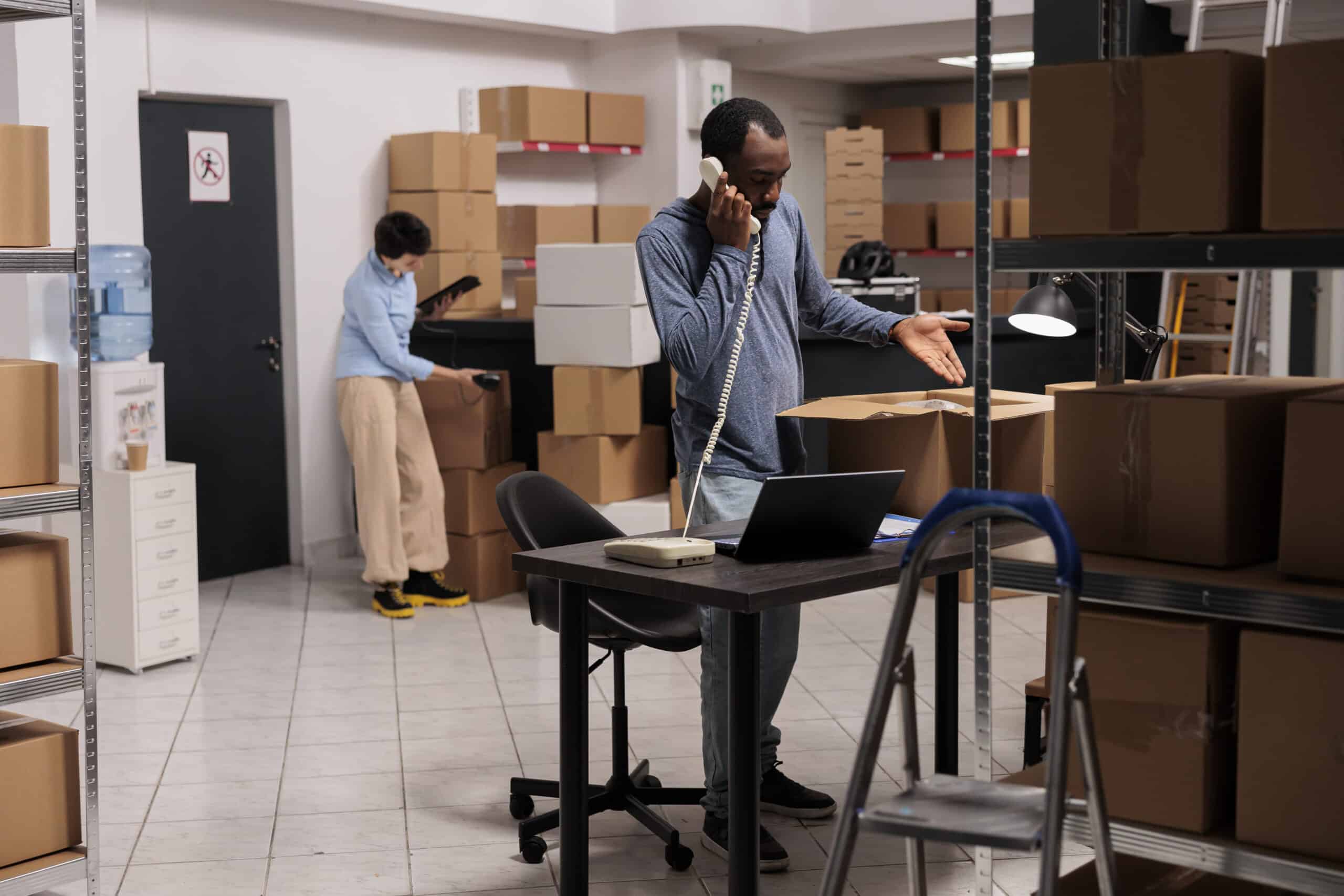
Category: Blog

  • Tips for Moving Office Furniture: What You Need to Know

    Tips for Moving Office Furniture: What You Need to Know

    Ah, the dreaded office move. If you’ve experienced it, you know the chaos and stress that come with such a transition all too well. I can still picture my last office move—a whirlwind of packing boxes, tangled wires, and that jarring sense of sudden change that had everyone on edge. Coworkers zipped around, frantically trying to keep track of important documents while dodging the maze of disassembled furniture being loaded onto trucks. But where do you even begin?

    We’re here to provide you with everything you need to know to make your move efficient and hassle-free. Let’s turn your relocation into a smooth transition and exciting new beginning that boosts productivity. In the following sections, we’ll cover everything from planning and safe handling to communication and settling in. Let’s start!

    Planning the Move

    Before moving, it’s paramount to thoroughly understand your new office layout to ensure a smooth transition. Start by creating a detailed checklist that outlines all necessary tasks and items, including taking careful notes of room dimensions, existing fixtures, and any potential obstacles that may affect your setup. Additionally, it’s important to measure doorways and tight spots to avoid any surprises on moving days, as this can save you from the frustration of dealing with furniture that doesn’t fit.

    You might want to consider visualising the layout using online design tools or simple sketches; this can help you plan furniture placement effectively and make unpacking much easier. As you visualise, identify challenges such as low ceilings, narrow corridors, or any unusual architectural features that could complicate the move. By addressing these challenges early on you are able to find solutions, whether it’s disassembling certain furniture pieces or opting for different layouts. 

    Lastly, plan efficiently with a comprehensive moving schedule that outlines key dates and tasks, ensuring that your transition is as seamless and organised as possible.

    checklist 2023 11 27 05 13 47 utc

    Creating a Moving Schedule

    A well-planned schedule is crucial for a successful office move, as it ensures smooth coordination and minimises disruption to daily operations. Begin by assessing your current space and determining the timeline for your move. If possible, start planning a few months in advance to effectively manage unexpected delays and to organise the logistics efficiently. This early planning allows you to identify potential challenges and address them proactively. 

    In addition to that, scheduling the move during off-peak hours or weekends can significantly reduce interruptions, allowing employees to transition more comfortably and maintain productivity. Also make sure you communicate with your team throughout the process to keep everyone informed and engaged, and always update your checklist to track progress and essential tasks leading up to the move. This comprehensive approach will help ensure a seamless transition to your new office space.

    deadline concept with calendar and alarm clock pur 2023 11 27 04 56 00 utc

    Safe Handling

    When preparing for a move, you should use quality packing materials to ensure your belongings are well-protected. Opt for sturdy boxes that can withstand weight and pressure, and don’t forget to include bubble wrap for fragile items to prevent breakage. Also ensure that you take the time to clearly label each box with its contents and destination room; this will save you time and effort when unpacking and help you keep track of everything during the moving process. Remember, a little extra effort in packing can go a long way in making your move smoother.

    Choosing the right moving equipment is also important for a successful relocation. Consider using dollies and sliders, which can significantly ease the process of safely transporting heavy items while minimising the risk of injury and damage. The last thing you want is for you exciting office move to end up with a trip to the emergency room.

    Hiring professional movers can greatly enhance efficiency and save you time, as they are trained to handle heavy and awkwardly shaped objects. However, it is essential to ensure that the movers you hire are fully insured to give you peace of mind and protection against any unforeseen incidents during the moving process. This way, you can focus on settling into your new space while leaving the heavy lifting to the experts.

    Try including a detailed inventory list in your checklist, it will be essential for tracking items and preventing losses within your organisation. This list should enclose detailed information, including item names, quantities, descriptions, locations, and any pertinent serial numbers. Regularly updating and reviewing this inventory will help ensure that all items are accounted for, minimising the risk of theft or misplacement.
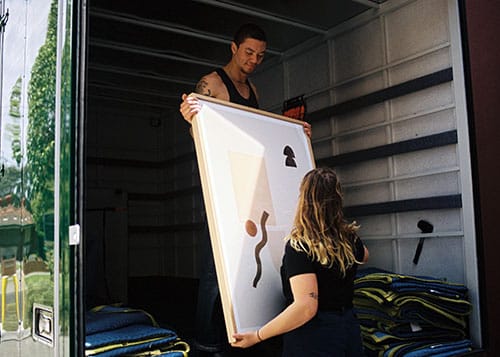
    “Moving office furniture is no small feat. It’s a task that requires careful planning, reliable execution, and a keen eye for detail.”

    Communication

    Whenever possible, hold regular meetings with your moving team to discuss progress and address any concerns that may arise during the moving process. Schedule these meetings consistently, allowing team members to share updates on their tasks, communicate any challenges they encounter, and collaborate on solutions. 

    Provide clear instructions for item handling, including proper techniques for lifting and transporting delicate or heavy items. Also, establish specific contact points for team members to reach out to with questions or for assistance, fostering open communication and ensuring a smoother moving experience overall. 

    It is important to keep employees informed about the schedule and any changes that may arise to ensure everyone is on the same page. Having regular updates can help prevent confusion and promote a sense of teamwork, providing a designated contact person for any questions or concerns will give employees a clear avenue for communication and support, fostering an open and responsive work environment.

    young company staff preparing for office relocatio 2023 11 27 05 27 06 utc 1

    Settling In

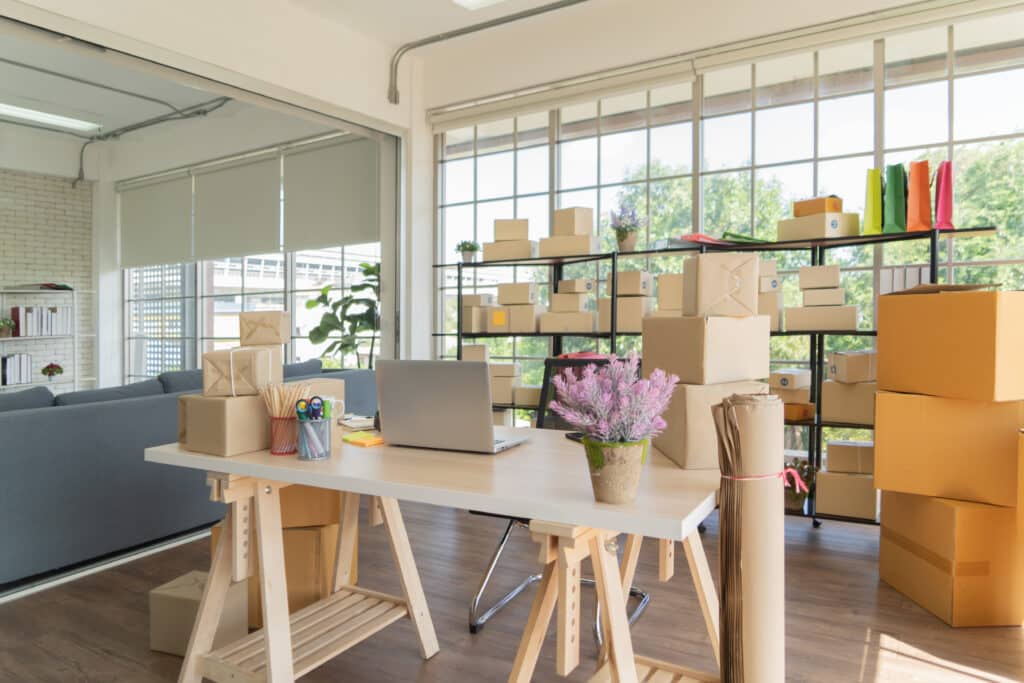
    Once you’ve moved everything into your new space, the next step is to carefully unpack and set up your new office. Start by organising your items, placing essential equipment like your computer and desk in convenient locations. Take your time to arrange your workspace in a way that enhances productivity, and don’t forget to personalise it with items that inspire you, such as photos or plants. This will help create a comfortable and motivating atmosphere as you settle into your new environment. 

    Utilise the checklist you created prior to your move to guide the placement of furniture and equipment as this will ensure that everything is positioned in its designated spot, minimising confusion and streamlining the process.

    One of the most rewarding aspects of moving office furniture is the fresh start it offers, because a new layout can bring new energy, transforming the workspace into a more vibrant and inspiring environment. By rearranging furniture, you can create better flow, enhance collaboration among team members, and even improve productivity. This change not only revitalises the physical space but also fosters a positive mindset, encouraging creativity and a renewed sense of purpose among employees. 
    room design 2023 11 27 05 13 36 utc

    Final Thoughts

    Relocating an office requires meticulous planning, strategic organisation, and effective communication to ensure a smooth transition. By addressing logistical challenges, implementing a comprehensive moving schedule, and fostering a collaborative team environment, you can significantly reduce disruptions to your business operations. 

    Remember, settling into your new space is more than just unpacking boxes; it’s about creating a productive and inspiring environment that aligns with your company’s goals and culture. Through attention to detail and adaptability, your new office can become a thriving hub for success and innovation.

    Why is planning ahead important for moving office furniture?

    Planning ahead allows you to create a detailed moving plan and timeline, ensuring a smooth transition.

    How can labelling help during the office move?

    Clearly labelling boxes and furniture pieces helps streamline the unpacking process, making it easier to locate items.

    What equipment should be used for moving heavy office furniture?

    Use proper equipment like dollies, straps, and moving blankets to safely transport heavy items.

    Should I consider hiring professional movers for office relocation?

    Hiring experienced movers can save time and prevent damage, making the moving process more efficient.

    How can I prioritise safety while moving office furniture?

    Ensure pathways are clear and lift with your legs, not your back, to avoid injuries during the move.

  • How to Manage Stress During a Big Move: Tips for Success

    How to Manage Stress During a Big Move: Tips for Success

    Moving to a new home should be an exciting adventure, but it’s often overshadowed by stress and anxiety. Whether you’re a new homeowner or relocating your family, managing stress during a big move is crucial for a successful transition. Let’s explore practical tips and strategies to help you stay calm and organised, ensuring your move is as smooth as possible.

    relocation concept frustrated black spouses sitti 2023 11 27 05 18 18 utc 1

    Moving is considered one of life’s most stressful events, ranking up there with divorce and job loss. The emotional and physical challenges can take a toll on anyone, making it essential to manage stress effectively. This guide will provide valuable insights at every stage of your move, from pre-planning to settling into your new home.

    Pre-move Planning to REDUCE Stress

    A clutter-free home is vital for a stress-free move. Begin by creating a comprehensive checklist to monitor tasks and deadlines, highlighting specific milestones and prioritising items based on urgency. This approach will help you to stay organised and ensure that nothing slips through the cracks. Tackle large tasks by breaking them down into smaller, manageable pieces in this approach it will allow you to focus on one task at a time and helps maintain your momentum. Remember to check in on your progress regularly and update your checklist—it’s an awesome way to stay motivated and on track.

    To avoid the feeling of being overwhelmed during your move, tackle it one room at a time. The sheer volume of boxes, furniture, and belongings can seem daunting, but breaking the process into smaller, manageable goals can make it much more achievable. Consider dedicating each day to decluttering a specific closet or room. Start by categorising your belongings into “Keep,” “Donate,” and “Toss” boxes to achieve an organised decluttering process. This process not only lightens your load but also illuminates what truly matters to you, helping you focus on what brings you joy and fulfilment. When you are dealing with sentimental items and it’s hard to let it go, take a moment to reflect on their importance. You can also consider snapping photos of those you can’t keep—it’s a beautiful way to preserve memories without the clutter! 

    Breaking down the task in this manner not only makes it more manageable but also boosts your motivation. As you check off completed rooms from your list, you’ll experience a sense of accomplishment that drives you forward. Each small victory contributes to your progress, and soon enough, you’ll be making steady strides toward your move. Along the way, you’ll cultivate a more organised and tranquil environment, which can help lessen stress and enhance your transition to a new home. Embrace the journey and tackle it step by step.

    happy family pick up waste items donation and reu 2023 11 27 05 36 17 utc

    Coping Strategies for Emotional Stress

    Navigating the emotional rollercoaster of moving can be challenging. Leaving behind a familiar place often stirs a blend of emotions—sadness, nostalgia, and even anxiety about the future. It’s important to acknowledge these feelings and allow yourself to grieve the end of one chapter while also embracing the excitement of a new beginning. 

    Engaging in self-care activities can be incredibly helpful in managing stress and nurturing your well-being. Whether it’s exercising, finding peace through meditation, or capturing every moment through photos, these practices provide excellent outlets for processing emotions and regaining balance. Remember, it’s entirely okay to seek professional support if the emotional highs and lows of moving become overwhelming.

    Moving can stir a whirlwind of emotions, affecting not just us but also our children and pets, who often react more sensitively to change than we realise. To help your little ones navigate this transition, involve them in the moving process. You can let them pack their favourite toys, explore the new home, and discover the neighbourhood together. Familiarity can work wonders in alleviating anxiety and providing them with a sense of control. Aim to maintain routines as much as possible—consistent meal times, bedtimes, and family traditions can serve as a comforting anchor amid the chaos of moving. You can also encourage your kids to express their feelings and reassure them that it’s completely normal to feel a bit sad or scared during this time.

    And don’t forget about your furry friends! Create a cosy space for them with their favourite toys, bedding, and treats, and gradually introduce them to the new environment to help prevent any overwhelming feelings. Make sure their essentials—food, water, and medications—are easily accessible during the move.

    Finally, since the internet is everywhere it makes it easier than ever to stay connected with friends and family. You can schedule regular calls or visits to nurture these vital relationships, as they offer emotional support and help you to feel grounded during your transition. Remember to share your excitement and concerns about the move with your loved ones; they are likely feeling similar emotions.

    our little angels 2023 11 27 05 13 51 utc

    “By planning ahead and staying organised, you can minimise the chaos and enjoy the excitement of your new beginning.”

    Settling into the New Home

    As you settle in, prioritise comfort and functionality to create a welcoming environment that reflects your personality. Consider personalising your space with familiar decor, such as family photos, artwork, and cherished mementos. 

    Allow your kids to showcase their favourite toys and artwork in their room, creating a space that truly feels like home to them. These personal touches not only make the new house feel more like home but also provide a sense of continuity amidst the changes of moving.

    Additionally, think about ways to enhance the atmosphere of your home. You might want to consider painting the walls in colours that inspire you or capture tranquillity, or rearranging furniture to create an inviting layout that suits your lifestyle. Bringing in elements like plants or cosy textiles can also contribute to a warm, inviting vibe, making your new space truly your own. 

    Now that you’re settled in, take the opportunity to introduce yourself to your neighbours. Baking cookies and sharing them is a delightful way to foster connections within your community. Be proactive in meeting those nearby, exploring local shops and parks, and participating in community events, because building new relationships can help you feel more at home and ease your transition. Additionally, consider looking for local groups or clubs that align with your interests because it will allow you to expand your personal networks even further.

    Establishing new routines is essential for settling into your new home and creating a harmonious environment. Consider creating a comprehensive daily schedule for the whole family that incorporates work, school, chores, and leisure activities. This might include designated times for remote work or homework, as well as specific slots for household chores to ensure everyone contributes. Don’t forget to schedule family time for fun activities, such as game nights or movie marathons, to strengthen bonds. Consistency in these routines helps establish a sense of normalcy, making the transition smoother, while also reducing stress for everyone by providing a predictable structure to the day. By working together to stick to this schedule, you can create a supportive atmosphere that fosters both productivity and relaxation.

    happy home and family welcome grandparents by doo 2023 11 27 05 04 14 utc

    Final thoughts

    Moving house is an exciting adventure, filled with both challenges and opportunities! As you dive into this new chapter of your life, keep a flexible mindset and embrace the ups and downs that come your way. Staying organised and keeping the lines of communication open with your family will help make the transition smoother and more enjoyable for everyone. 

    Remember, settling into a new home is a journey, so be kind to yourself and allow time to adjust. Each step you take brings you closer to transforming your new space into a cosy sanctuary. With patience and a dash of adaptability, you can turn what may feel unfamiliar into a warm, welcoming haven filled with new memories and experiences!

    How can I efficiently organise and declutter before a move?

    Use the three-box method: “Keep,” “Donate,” and “Trash.” Tackle one room at a time to avoid overwhelm.

    What are some strategies for coping with the emotional stress of moving?

    Acknowledge your feelings, stay connected with loved ones, and practice self-care activities like exercise and journaling.

    How can I help my children adjust to a new home?

    Involve them in the moving process, maintain routines, and encourage them to express their feelings.

    What steps can I take to help my pets during a move?

    Create a safe space with familiar items and gradually introduce them to the new environment.

    How do I settle into my new home effectively?

    Personalise your space with familiar decor, establish new routines, and connect with the local community.

  • Essential Considerations for Apartment Removals

    Essential Considerations for Apartment Removals

    Moving to a new apartment can be both exciting and challenging. But unlike moving from a house, apartment removals come with their unique set of considerations that require careful planning and attention to detail. 

    Whether you’re moving to a high-rise in the city or a cozy unit in the suburbs, here are some specific things you need to consider to ensure a smooth and successful apartment move.

    1. Accessibility and Elevator Reservations

    One of the primary differences in apartment removals is the access to your unit. Check whether your building has elevators, and if so, inquire about reserving them for your moving day. This ensures that you have a dedicated space and time to move your belongings without inconveniencing other residents.

    2. Parking Arrangements

    Parking can be a challenge, especially in urban areas. Coordinate with your building management or local council to secure a parking spot for the moving truck. This prevents delays and makes loading and unloading more efficient.

    3. Limited Space

    Apartments often have limited space compared to houses. Take stock of your belongings and decide what you truly need to bring. Downsizing can help you optimise your new living space and reduce clutter.

    4. Fragile Items and Elevator Size

    If your apartment has a small elevator, consider the size of larger furniture pieces and how they will fit. Fragile items might need extra care during transportation, so pack them securely and label the packing boxes appropriately. For that extra paece of mind consider using a professional Melbourne Packing Service.

    5. Moving Hours

    Check with your building management about any restrictions on moving hours. Some apartment complexes have specific times when moving is allowed to avoid disrupting other residents.

    6. Security Measures

    Consider the security of your belongings during the move. Apartment buildings often have secure entrances and sometimes require codes or keys for access. Make arrangements with the building management to ensure a smooth entry for your moving team.

    7. Informing Neighbours

    Notify your neighbours about your move in advance to minimise any disturbances. Being considerate of your neighbours’ schedules and noise levels is important during the moving process.

    8. Utilities Transfer

    Ensure a seamless transition by arranging for utility transfers to your new apartment. This includes electricity, water, internet, and other essential services.

    9. Check Building Rules

    Review your building’s rules and regulations regarding moving. Some apartments require you to use specific entryways, protective coverings, or moving equipment.

    10. Organised Packing

    Due to limited space, packing efficiently is crucial. Label your boxes clearly to know which items are essential and need to be unpacked first.

    11. Address Update

    Don’t forget to update your address with relevant parties, including banks, subscriptions, and government agencies, to ensure your mail is redirected to your new apartment.

    12. Hire Professional Apartment Removalists

    Consider enlisting the help of professional apartment removalists who have experience navigating the intricacies of apartment moves. Their expertise can make the process smoother and more efficient. 

    At Friendly Moving Men we like to think we are apartment experts by now! So if you need a removalist in Melbourne to help you move to a new apartment, please get in touch for a quote.

  • Simplify Your Life: A Guide to Decluttering in Melbourne

    Simplify Your Life: A Guide to Decluttering in Melbourne

    Melbourne is great city to live in, with vibrant culture and fun events to experience across its diverse neighbourhoods and landmarks. In your own home though, clutter can easily creep in, making it difficult to fully enjoy living in this beautiful city. 

    If you feel like your belongings are piling up, it might be time to declutter your living space. Taking time to clear up your clutter will create a more harmonious and functional home environment that complements your Melbourne lifestyle. In this blog, we suggest some methods for decluttering your home.

    Ask “Why Am I Decluttering?”

    Before you begin, define your goals. Do you want to create more room in your apartment, reduce stress, or just make daily life more efficient? Being clear on your goals will guide your decluttering efforts and keep you motivated throughout the process.

    Clear One Space at a Time

    Decluttering your home can be an overwhelming task. Start with smaller areas, like a closet, bookshelf, bathroom cabinet or even under your bed. Completing smaller tasks can provide a sense of accomplishment and motivate you to tackle bigger areas.

    Try the KonMari Method

    Marie Kondo’s famous KonMari method, can be particularly valuable in decluttering your home. The core principle is to keep only the items that ‘spark joy’. Go through your possessions category by category, like clothes, books, or collections, and decide which items genuinely bring you happiness. This approach makes it easier to part with things you no longer need.

    Donate or Sell What You Don’t Need or Use

    Melbourne has a huge range of op shops where you can donate or items you no longer require and many secondhand markets where you can sell your unwanted good and make some money. You can also list household items like furniture for sale or free pickup on your local Marketplace pages, or organise a garage sale to give your belongings a new lease on life.

    Clean Up Your Digital Clutter

    Decluttering now extends beyond physical possessions to your digital life. Organise your email inbox, delete outdated files, remove apps you don’t use from your phone, unsubscribe from email newsletters, and streamline your digital photos and documents. This not only frees up valuable digital space but also enhances your overall organisation and productivity.

    Optimise Home Storage

    Make the most of your Melbourne living space by looking into innovative storage solutions. Utilise under-bed storage containers, install wall-mounted shelves, and invest in multifunctional furniture. Melbourne’s compact living spaces necessitate creative storage solutions to keep clutter under control.

    Evaluate Your Belongings Each Season

    Melbourne’s ever-changing weather calls for seasonal assessments of your belongings. As the seasons shift, review your wardrobe and household items, keeping in mind what you’ll need for the upcoming season and what can be stored or donated.

    Make Decluttering a Habit

    Once you’ve decluttered your living space, try to keep it that way. Develop small daily or weekly routines to prevent clutter from building up again. Before buying something new, ask yourself “do I really need this?”. If you do bring new things into your home, designate specific spots for them (e.g. a place for your mail) and regularly remove anything that you don’t need anymore (e.g. expired items from your pantry).

    Decluttering your Melbourne home is a freeing process that can significantly improve your overall well-being and enhance your experience living in this vibrant city. 

    For more ideas on setting up home in Melbourne, take a look at our Moving Hints, compiled by our team of experienced movers.

  • Moving to Melbourne? Be Prepared for the Whims of our Spring Weather!

    Moving to Melbourne? Be Prepared for the Whims of our Spring Weather!

    Melbourne, often hailed as Australia’s cultural capital, is known for its vibrant arts scene, diverse communities, and unpredictable weather. While Melbourne boasts a plethora of attractions and opportunities, its spring weather can be quite capricious. If you’re planning a move to this iconic city during the spring season, you need to be ready for the meteorological surprises that await you. In this blog, we explore how to navigate Melbourne’s spring weather when moving house.

    Layer Up for All Occasions

    Melbourne’s spring weather is notorious for its four seasons in one day. They’ve written songs about it! In a single day, you can experience rain, sunshine, strong winds, and even the occasional hailstorm. Dress in comfortable layers so that you can adapt to any changing conditions throughout the day.

    Footwear Matters

    Footwear can make or break your moving experience. Melbourne’s spring weather can bring muddy streets and wet surfaces, so choose suitable footwear like waterproof shoes or boots with good grip to avoid slips and keep your feet dry. Those bluestone lanes in Brunswick and Fitzroy can be ankle killers! Also, having an extra pair of shoes handy can be a lifesaver in case the pair you’re wearing gets soaked.

    Pack Your Essentials in Waterproof Containers

    If you move house during Melbourne’s spring, make sure you protect your belongings from unexpected rain. Invest in waterproof containers or plastic bins to store valuable items. This will safeguard your belongings against moisture and humidity, ensuring they arrive at your new home in pristine condition.

    Have Rain Covers for Furniture

    Protect your furniture against rain while it’s being moved from inside your house to the moving truck or vice versa, especially items made of wood or upholstered materials. Have some rain covers handy to protect your furniture from rain and keep it dry during transit. Only use heavy-duty plastic sheets or tarps if you don’t have specialised covers. The thin plastic moving covers you can buy from storage centres and hardware giants aren’t really that great to carry – in the wet weather they tear easily and are quite slippery. These covers are really best used when storing your furniture to protect from dust and insects.

    Plan for Sudden Showers

    Melbourne’s spring weather can change from sunny to rainy in the blink of an eye. Be prepared for sudden showers by having umbrellas readily available. Keep a few compact umbrellas in the moving truck or car, to ensure you and your belongings stay dry when the rain unexpectedly pours. If you are really friendly you might want to offer the removalists a towel to dry their hair periodically as it can be a challenging job on wet days.

    Check Weather Forecasts Regularly

    In the days leading up to your Melbourne house move, keep a close eye on the weather forecasts. Having an idea of what to expect can help you plan your moving day better. Make adjustments to your schedule or packing strategy based on the latest weather updates too.

    Be Flexible with Your Moving Date

    If possible, ask your Melbourne removalists if they can be flexible with the moving time/date. Melbourne’s spring weather can be particularly challenging on certain days, so having an alternate date available can be a lifesaver. Being adaptable will allow you to avoid moving during extreme weather conditions.

    Spring is a great season to move house in Melbourne: nature is blooming and there is a feeling of positive change in the air. But make sure you’re prepared for the variable spring weather for which our beautiful city is famous. Dress appropriately, protect your belongings, and keep an eye on the forecast for moving day. Embrace the beauty of Melbourne’s spring, and don’t let its weather surprises dampen your moving experience.

    Find out more about our Melbourne moving services and costs or send us an email

  • A Green Guide to Moving Your Beloved Plant Babies

    A Green Guide to Moving Your Beloved Plant Babies

    The thought of leaving behind your cherished pot plants, often lovingly referred to as “plant babies,” can be heart-wrenching when it’s time to move to a new home. The good news is that with a bit of careful planning and a touch of green thumb magic, you can ensure your plant companions make the transition smoothly and continue to thrive in their new environment. 

    Let’s dive into the art of moving your beloved pot plants into your new home with the care they deserve.

    Evaluate Your Plant Collection

    As you prepare for the move, take stock of your plant babies. Consider their specific needs, sizes, and how they have been thriving in their current environment. This assessment will help you determine how to best accommodate each plant during the move.

    Prune and Prep Your Plants

    A few weeks before the move, give your plants a little grooming session. Trim any yellowing or dead leaves and gently inspect for pests. Repot any plants that have outgrown their containers to ensure they have ample room for growth.

    Choose the Right Packing Materials

    When it’s time to pack, gather your packing materials. You’ll need sturdy moving boxes, packing paper, bubble wrap, and packing tape. For smaller plants, consider using plastic containers with lids to create mini greenhouses for added protection.

    Timing is Everything

    Plan your move for a day when the weather is relatively mild and don’t water your plants the morning of the move! Avoid extreme heat or cold, as sudden temperature changes can stress your plants.

    Guard Fragile Foliage

    Delicate leaves and stems are vulnerable during transportation. Gently wrap these parts with soft tissue paper or provide extra cushioning with bubble wrap.

    Secure the Soil

    To prevent soil from spilling during transit, you can secure the top layer of soil with plastic wrap. This is particularly useful for larger plants.

    Transport your Plants with Care

    During transportation, position your plants in a safe spot in your vehicle. Use cushions or towels to keep them stable and prevent tipping.

    Avoid Direct Sunlight

    Shield your plants from prolonged direct sunlight during the move. A shaded area of your vehicle will help protect them from heat stress.

    Welcome Them to Their New Home

    Once you arrive at your new abode, unpack your plants as soon as possible. Place them in their designated spots, and let them bask in their new surroundings.

    Gradual Light Exposure

    If the light conditions in your new home differ, gradually expose your plants to the new levels of light. This will prevent them from experiencing shock due to abrupt changes.

    Water and Love

    Resume your usual watering and care routine for your plants. Keep an eye on them as they adjust, making any necessary adjustments to their care.

    Be Patient

    Remember, plants need time to adapt to their new environment. Be patient, and before you know it, your beloved plant babies will be thriving in their new pots, adding life and vibrancy to your new space.

    Moving your pot plants is an opportunity to witness the resilience and adaptability of nature. By providing them with the care and attention they need, you’ll be rewarded with a seamless transition and a continued flourishing in your new home.

    You can trust the Friendly Moving Men to relocate your cherished indoor plants with care. Contact our Melbourne removalist team for more information on how we move your plants.

  • Do’s and Don’ts of Moving Interstate from Melbourne to Sydney

    Do’s and Don’ts of Moving Interstate from Melbourne to Sydney

    Moving interstate is a significant life event that brings both excitement and challenges. Whether you’re relocating from Melbourne to Sydney for a new job, family reasons, or simply a change of scenery, there are several crucial do’s and don’ts to keep in mind for a smooth transition. 

    Our Melbourne removalist team has helped many people and families relocate from Victoria to New South Wales. Here is our comprehensive guide to help you navigate this exciting move.

    Moving Interstate “Do’s”

    Plan Ahead

    Start planning your move well in advance. Create a detailed timeline that includes tasks like packing, hiring experienced Melbourne movers, notifying important parties (post office, utilities, schools), and arranging transportation.

    Declutter

    Take this opportunity to declutter your belongings. Donate or sell items you no longer need to lighten the load and save on moving costs.

    Hire Professional Movers

    Consider hiring reputable interstate removalists (like Friendly Moving Men ;-)) who have experience with long-distance moves. Research and compare quotes to find the best fit for your needs.

    Pack Strategically

    Pack systematically and label your boxes clearly. Organize items by room to make unpacking at your new destination easier. If you need help with this Friendly Moving Men have a dedicated packing service in Melbourne too.

    Update Addresses

    Notify all relevant parties of your change of address, including banks, subscriptions, and government agencies. This ensures you receive important mail in your new location.

    Explore Your New Area

    Before the move, research and explore your new neighborhood in Sydney. Familiarize yourself with local amenities, schools, healthcare facilities, and transportation options.

    Stay Positive

    Moving can be stressful, but maintaining a positive attitude will help you and your family adjust to the change more easily.

    Moving Interstate “Don’ts”

    Procrastinate

    Avoid leaving moving and packing tasks until the last minute. Procrastination can lead to unnecessary stress and rushed decisions.

    Overpack

    Don’t pack items you won’t need in your new home. Be selective and only take what’s essential.

    Forget Utilities

    Make sure to transfer or disconnect your utilities and services in Melbourne and have them set up at your new Sydney residence.

    Ignore Legalities

    Be aware of any legal requirements related to your move, such as changes to your driver’s license or vehicle registration.

    Neglect Finances

    Moving interstate can come with unexpected expenses. Budget for potential costs and ensure you have the necessary funds to cover them.

    Rush Unpacking

    While it’s tempting to rush through unpacking, take your time to organize your new space thoughtfully.

    Isolate Yourself

    Once you arrive in Sydney, make an effort to connect with your new community. Isolating yourself can hinder the process of settling in.

    Undertaking an interstate move marks a significant milestone. By taking note of these recommended practices, your shift between Melbourne and Sydney, or the reverse, has the potential to become a rewarding and enlightening journey. Welcome the new scenes that unfold and embrace the beautiful journey!

    Talk to the experienced removalists at Friendly Moving men to assist with your move to Sydney: info@friendlymovingmen.com.au

  • 20 Tips to Pack Your House for a Stress-free Move in Melbourne

    20 Tips to Pack Your House for a Stress-free Move in Melbourne

    Moving to a new house can be an exciting adventure, but the process of packing up your entire home can be overwhelming. Proper planning and organisation are key to ensuring a smooth transition. 

    To help you tackle this task efficiently, our Melbourne removalists and packing experts have compiled a list of 20 essential tips for packing your house:

    1. Start Packing Early 

    Begin packing well in advance to avoid last-minute stress. Start with items you use less frequently.

    2. Create a Packing Timeline

    Develop a detailed packing schedule, allocating specific days for each room. Stick to this timeline to stay organised.

    3. Gather Your Supplies

    Collect sturdy boxes, packing tape, bubble wrap, packing paper, markers, and other packing materials. Having these on hand will make the process smoother.

    4. Declutter as you Pack

    Take this opportunity to minimise clutter. Donate, sell, or dispose of items you no longer need or use.

    5. Pack Your House Room by Room

    Focus on one room at a time to stay organised. Clearly label boxes with their contents and destination room.

    6. Use Small Boxes for Heavy Items

    When packing books, dishes, or other heavy items, opt for smaller boxes to prevent overloading and making them difficult to carry.

    7. Use Larger Boxes for Light Items

    Utilise larger boxes for lighter items like bedding, linens, and pillows. This maximises space and reduces the number of boxes needed.

    8. Wrap Fragile Items Carefully

    Wrap delicate items in bubble wrap or packing paper. Place them in boxes with additional padding to prevent damage during transit.

    9. Keep Essentials Separate

    Pack an “essentials” box with items you’ll need immediately upon arrival, such as toiletries, a change of clothes, and important documents.

    10. Take Pictures

    Before disassembling electronics or furniture, take photos of their setups. This will help you reassemble them correctly in your new home.

    11. Seal Cleaning Supplies

    Place cleaning supplies in a sealable plastic bag to prevent leaks during transit. Label the bag and keep it handy for a quick clean before moving out.

    12. Secure Lids and Tops

    Seal containers with plastic wrap or tape to prevent spills. Unscrew caps from liquids and cover openings with plastic wrap before resealing.

    13. Pack Electronics Smartly

    Use their original boxes if possible. If not, wrap them in blankets or bubble wrap and label cables to make reassembly easier.

    14. Label Boxes Clearly

    Mark each box with its contents and the room it belongs to. This will save time and confusion when unpacking.

    15. Disassemble Furniture

    If possible, disassemble furniture to save space and prevent damage. Keep hardware in labeled bags taped to the furniture.

    16. Use Towels and Linens

    Towels, linens, and clothing are great to use as padding for fragile items. This not only saves space but also provides extra protection.

    17. Pack Clothes Efficiently

    Leave clothes on hangers and cover them with garbage bags to keep them clean and make unpacking a breeze.

    18. Pack Breakables Vertically

    Plates and other breakables should be placed vertically in boxes, with padding in between. This reduces the risk of them cracking or breaking.

    19. Fill Empty Spaces

    Place packing paper or clothing inside any gaps in boxes to prevent items from shifting during transit.

    20. Label ‘Open First’ Boxes

    Designate boxes that should be opened first in your new home. These may contain essentials, kitchen items, and bedding.

    Moving doesn’t have to be stressful. With careful planning, organisation, and these 20 packing tips, you’ll be well-prepared for a smooth and successful transition to your new home. Happy packing and happy moving!

    If you need help packing your home, Melbourne removalists and packing experts Friendly Moving Men are here to help. Get in touch at info@friendlymovingmen.com.au

  • Prepare for a Move to Syndey in Spring

    Prepare for a Move to Syndey in Spring

    Sydney, with its iconic landmarks, stunning eastern suburbs beaches, and bustling inner west, is a dream destination. But before you immerse yourself in the charms of this Australian gem, be prepared for one significant aspect of living in Sydney — its ever-changing spring weather. 

    Spring in Sydney is marked by unpredictable shifts in temperature, rain showers, and occasional gusty winds. If you’re planning a move to Sydney during Spring, take note of these moving day tips — rain hail or shine.

    Dress in Layers

    Sydney’s spring weather can go from chilly mornings to warm afternoons and back to cool evenings. To stay comfortable while moving house in Sydney, dress in layers. Begin with a light base layer, add a sweater or cardigan, and top it off with a lightweight, waterproof jacket. This way, you can easily adjust your clothing throughout the day as temperatures fluctuate.

    Footwear Selection

    Your choice of footwear can greatly impact your moving experience. Sydney’s spring often means damp streets and muddy walkways. Choose comfortable waterproof shoes or boots with good traction to prevent slips and keep your feet dry. Having an extra pair of shoes on hand is also a smart move in case your primary pair gets wet.

    Prepare for Rain Showers

    Sydney’s spring weather can bring sudden rain showers, even on a sunny day. Be ready for unexpected downpours by having a raincoat or umbrella handy. Stash a few compact umbrellas in your moving vehicle so that you and your possessions can stay dry when the rain catches you off guard.

    Keep an Eye on the Weather

    In the days leading up to your move, monitor the weather forecasts for Sydney. You can adjust your schedule or packing strategy accordingly based on the latest weather updates. Get in touch with your Sydney removalists and ask if they carry plastic wrap and mattress protectors.

    Secure Fragile Items

    If you’re moving delicate or fragile items, take extra precautions. Use plenty of packing materials to protect these items from potential rain or bumps during transit. Ensuring that your fragile possessions are well-insulated will give you peace of mind during your move.

    Moving to Sydney is an exciting journey filled with opportunities and adventures. While spring’s unpredictable weather may pose some challenges, being prepared is the key to a successful move. A sunny morning at Bronte Beach might be followed by a misty afternoon in the Blue Mountains. By dressing appropriately, safeguarding your belongings, and staying informed about the weather, you can make your transition to the Harbour City a smooth and enjoyable experience. Embrace the beauty of Sydney’s spring, and let its weather surprises add to the excitement of your new beginning.

    For more moving advice, get in touch with Sydney’s Friendly Moving Men

  • Moving Interstate from Sydney to Melbourne: Do’s and Don’ts

    Moving Interstate from Sydney to Melbourne: Do’s and Don’ts

    Moving from Sydney to Melbourne is an exciting opportunity to experience a new city and lifestyle. As you embark on this journey, it’s essential to keep certain do’s and don’ts in mind to ensure a successful transition.

    Moving Cities “Do’s”:

    Research Thoroughly

    Understand Melbourne’s neighborhoods, cost of living, transportation, and job opportunities. This knowledge will help you make informed decisions about your new life.

    Downsize

    Just as with moving from Melbourne to Sydney, take the chance to declutter and downsize your belongings before the move.

    Notify Contacts

    Inform your contacts, including friends, family, and important institutions, about your move to Melbourne.

    Prepare for Weather

    Melbourne’s weather is known for its variability. Pack clothing for different seasons and be ready for sudden changes.

    Use Professional Movers: Invest in Professional Interstate Movers (like Friendly Moving Men ;-)) who can safely transport your belongings to your new home. We also can help you with our experty Sydney packing service if you need the extra hand.

    Update Records

    Update your official records such as driver’s license, vehicle registration, and voter registration to reflect your new address in Melbourne.

    Stay Open-Minded

    Approach the move with an open mind and a willingness to embrace Melbourne’s unique culture and lifestyle.

    Moving Cities “Don’ts”:

    Underestimate Costs

    Moving can be costly, so make sure to budget for expenses such as transportation, housing, and initial setup costs.

    Leave Packing to the Last Minute

    Avoid the stress of last-minute packing by starting early and packing systematically.

    Overlook Commute

    Consider your daily commute when choosing your new home in Melbourne. Factor in transportation options and proximity to work.

    Neglect Health Services

    Research healthcare providers in Melbourne and ensure a smooth transition of your medical records.

    Ignore Networking

    Building a social network in Melbourne takes time. Don’t hesitate to join local groups or clubs to meet new people.

    Expect Instant Adaptation

    Moving to a new city takes time to adjust. Be patient with yourself as you adapt to the changes.

    Stay Isolated

    To make the most of your move, actively engage with Melbourne’s vibrant culture and community.

    Moving interstate is a big step, but with careful planning and consideration of the do’s and don’ts, your transition from Melbourne to Sydney or vice versa can be a positive and enriching experience. Embrace the new opportunities that come your way and make the most of your journey to a new city.

    For more moving advice, chat to the experienced removalists at Friendly Moving Men: contact@friendlymovingmen.com.au